The year I turned forty and the pages of my planner ran black with the ink of scheduling our family’s life—incidentally: this year—I began to carry six words (one measly sentence) with me. They were words I’d skimmed past a hundred times, probably, sandwiched between a resurrected Lazarus and some celebratory palm branches.
They were words given without explanation and responded to without question. They were said to a man who is not named and who is never mentioned again.
Six words: the Lord has need of it.
The story isn’t an exciting one (it’s also not a Christmas story, in spite of the timing—there is no donkey mentioned in the gospels, just for the record). Anyway… Jesus sends his disciples to borrow a donkey. When the disciples ask what they should tell the owner of the donkey who will, quite naturally, ask for the reason behind their request, Jesus tells them to say simply, “The Lord has need of it.” So they do. And the donkey is handed over, and Jesus rides him into Jerusalem to shouts of “Hosanna!” along a path of palm branches and discarded cloaks.
It feels like a throwaway story meant to solidify the historicity of Palm Sunday more than anything else. Nuts and bolts, nothing more.
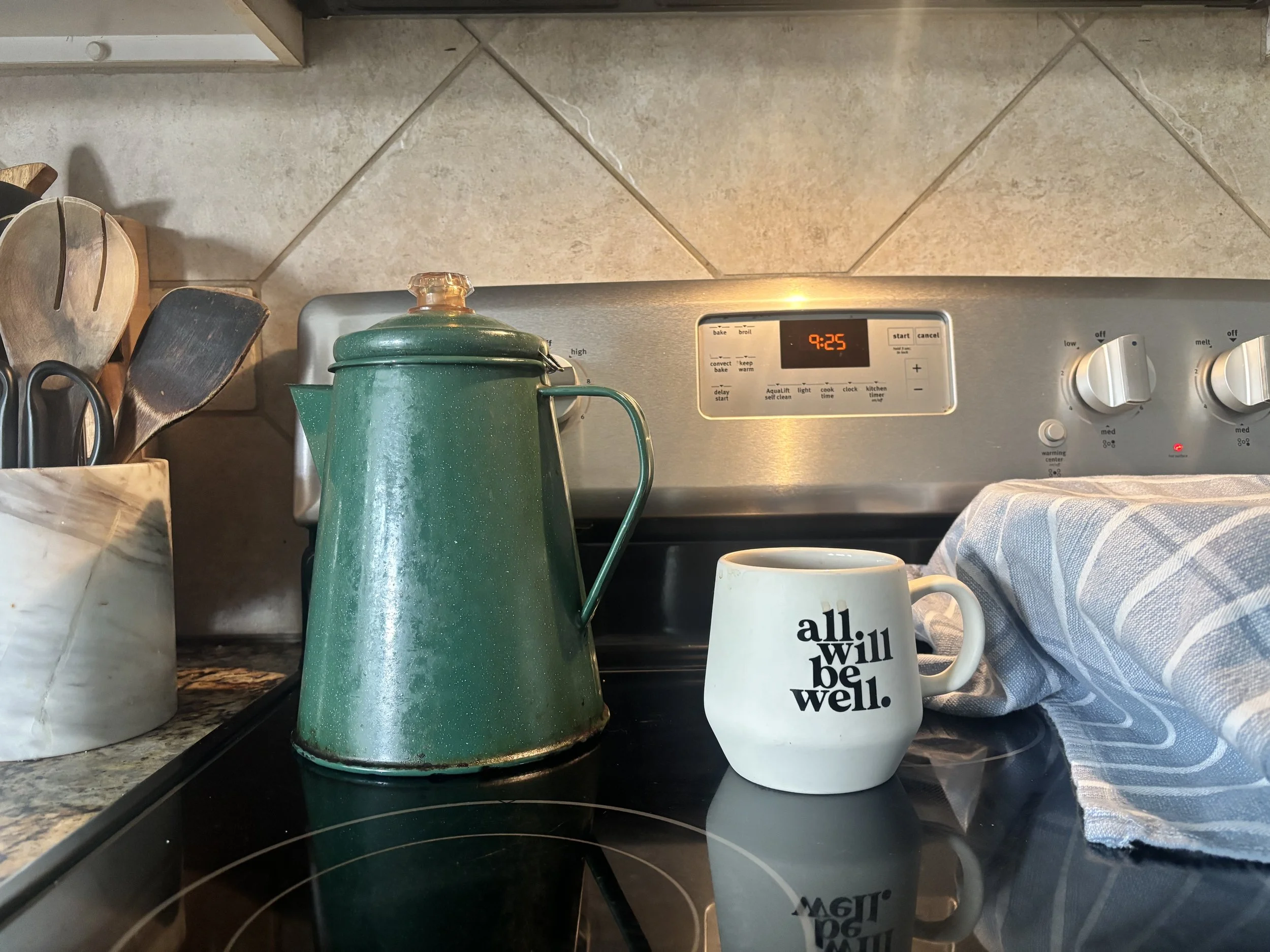
But those six repeated words lodged in my mind this time as I reread Luke. I sat with them as I looked around our home, and I thought about them. The most obvious question in that moment seemed to be: what do I have that the Lord has need of? But immediately after: does the Lord have need of our home?
Yes, I thought. The Lord has need of it. He’s using it as a place of rest and healing for our family. He’s using it when I welcome in my Latin study group kids with sourdough bread and joy, verb conjugations and grace, Latin hang man and the knowledge that they are loved. He’s using it when friends drop by and let our chaos be a place where they can decompress, even if only for a few moments.
But those six words wouldn’t leave me alone. How else does the Lord have need of our home? How else does the Lord have need of me?
Two weeks later, my wonderful in-laws moved in with us.
The Lord had need of our home in ways I hadn’t anticipated.
I began to wonder: what else does the Lord have need of in my life?
My paltry energy level: the Lord has need of it. My relentless daily schedule: the Lord has need of it. My talents and gifts, such as they are: the Lord has need of them. My middle of the night wakefulness: the Lord has need of it. My personal preferences, my strong opinions, my pet peeves: the Lord has need of them (and I’m probably not getting them back in the same condition).
But I also began to run the hard things—the challenging circumstances, the areas that were breaking me—through the same metric:
My husband’s chronic pain: the Lord has need of it. My daughter’s pancreas: the Lord has need of it. My son’s immune system: the Lord has need of it.
My loved ones, who I can’t protect from hard things: the Lord has need of them.
My grief, my anxiety, my fears: the Lord has need of them.
What are the areas of my life that start as a donkey (willful and sometimes stinky) that could lead through surrender to end in triumph?
Where am I being called to give a donkey (it’s really just fun to say that) when what the Lord has in mind is a celebration far beyond my imaginings?
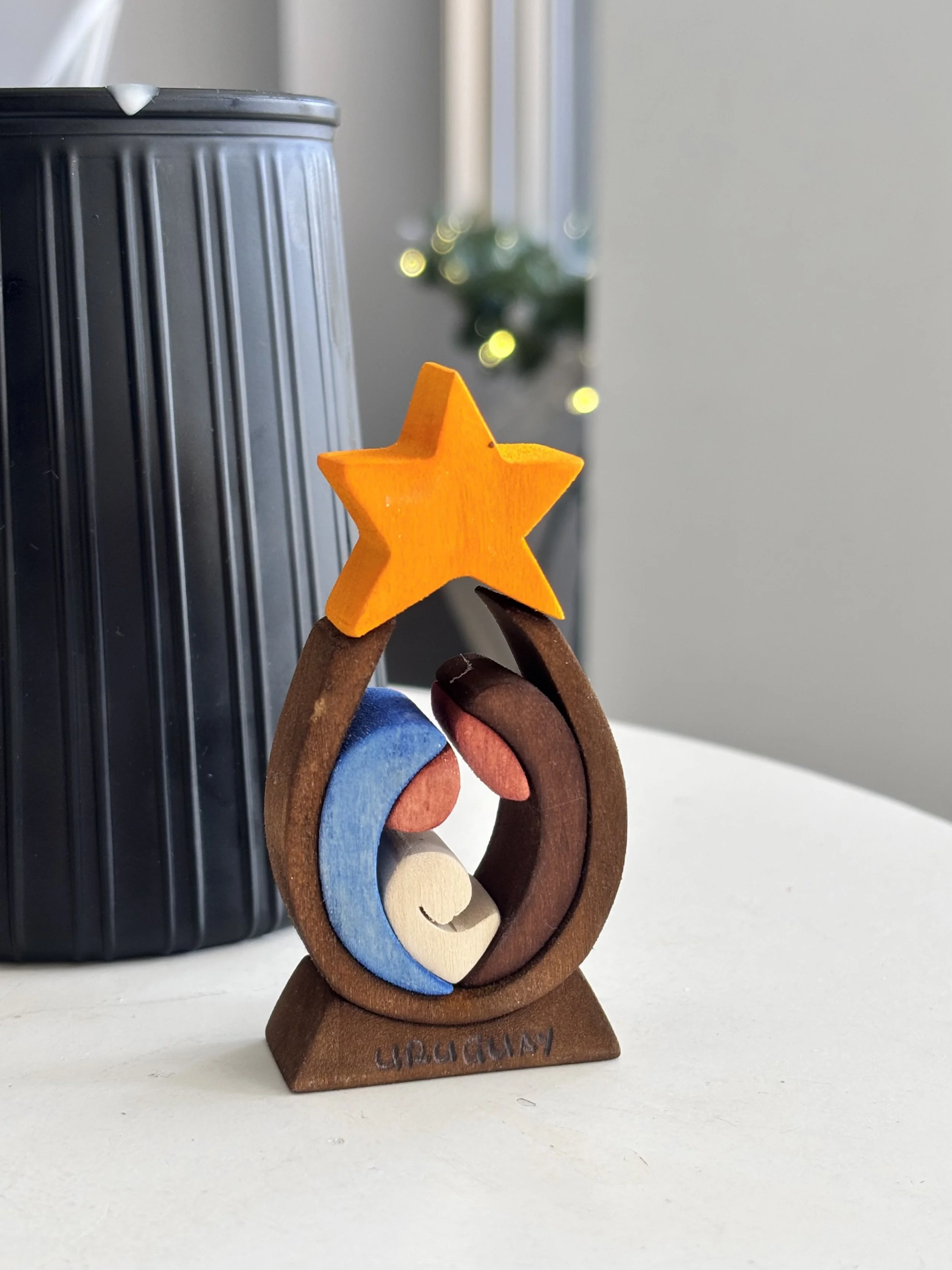
Still not a Christmas story.
I don’t have a lot of deep thoughts for you today, just these six words that I wanted to share. They’re changing the way I see my circumstances. They’re changing the way I see Jesus.
For that unnamed man, his donkey walking off with the disciples probably felt like a really big deal. That was his money walking around on four hooves, his investment for the future, possibly the only safety net he could afford.
But to Jesus: that donkey was what he rode through celebration, toward betrayal and accusation and suffering and the cross and, ultimately, toward His resurrection.
Today, what is it that we are called to surrender to Jesus just because the Lord says He has need of it? And can we trust Him as we watch the giving of our donkeys change the way we see ourselves, our lives, and our Savior?